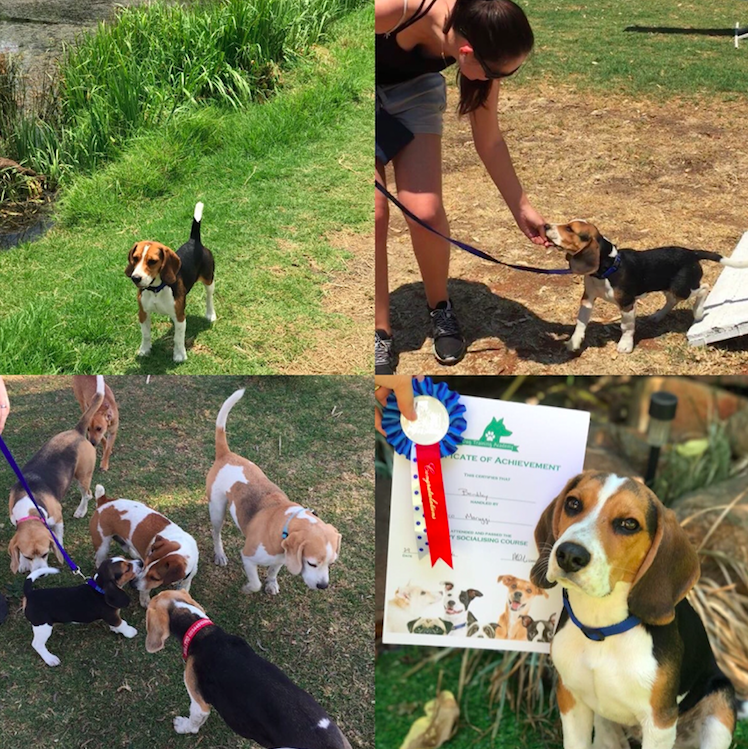
Man’s best friends, good old dogs. There is nothing better than coming home to a super excited, unconditional, loving, tail wagging companion. As rewarding as they can be, they still require a lot of hard work and exercise.
Walking is super exercise with tons of benefits, not limited to the obvious release of pent-up energy. Walking your dog is a great relationship builder and a low-impact way to get rid of extra pounds, and it has mental benefits for yourself (allowing you to reconnect with your environment, yourself and those around you, and it enhances ones cognitive performance from creativity to planning and scheduling) and your dog (he gets to explore sights and sounds beyond his own backyard)! It will be just as good for you as it is for your dog.
But before you grab your leash, you should be aware; there are some rules to having a successful walk beyond the obvious as well as preventing injury to yourself and your dog.
You may not realize how common dog walking and dog handling injuries are. We see them frequently in our practice — everything from finger and wrist fractures, to dislocations and ruptured tendons as well as elbow, shoulder and neck injuries and thanks to our great Joburg roads a few ankle injuries due to potholes and dug up pavements.
A few things to keep in mind for your safety and enjoyment during your walks are
- Don’t wrap the leash.
It may seem safer to loop the leash handle around your fingers or wrist than to just hold it in your palm. You might have a stronger grip but it could cause an injury. If the dog takes off, it happens so quickly that you don’t have time to unwrap the leash. By the time you realize there’s traction on your fingers or wrist, you may already be falling down, or already have suffered an injury. If, however, you hold the leash in the palm of your hand — like you would a golf club or baseball bat — you’ll have more control over the dog. You’ll be more likely to pay attention if you have to keep a firm grasp at all times. And you can tighten (or loosen) your grip immediately if you feel the dog start to pull away.
- Keep your dog on a short leash.
The longer the leash, the more leash there is for the dog to pull — and more potential for trouble if the dog takes off. As a result, you could fall or get dragged, suffering severe bruises or joint injury. The hard yank of the leash can cause not only hand and wrist fractures, but tendon or ligament damage — or even dislocations — to your elbow or shoulder. It’s also easier to trip on or get tangled up in a longer leash.
Give the dog a little leeway when you stop to let the dog sniff around or do its business (just keep a watchful eye on the dog; don’t start checking Twitter). But keep a shorter leash when you’re walking, so you have more control over the dog’s movements.
- Walk — don’t roll.
Regardless of your skill or comfort level, it’s never a good idea to walk your dog while riding a bike, scooter, skateboard or Segway, or while rollerblading or rollerskating. Add the unpredictability of a dog into the equation, and it’s a recipe for disaster. If that dog suddenly starts running, it’s going to take you down and you’re likely to suffer an injury.
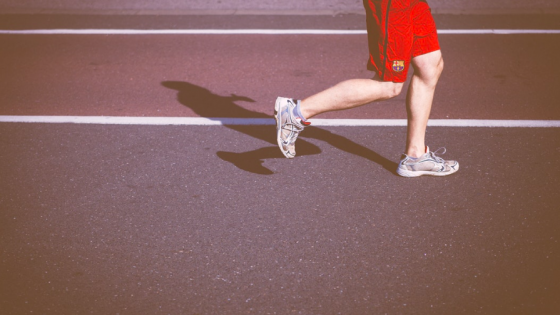
- Wear appropriate shoes.
Just as you wouldn’t wear platform wedges on a hike, you shouldn’t wear them to walk your dog. Remember this is still exercise so use your training shoes that are comfortable and good for your feet and the rest of your biomechanics.
- Most important, pay attention.
If you’re not distracted, you’ll be able to react faster to any situation; you won’t be caught completely off guard. Look out for obstacles or glass in the road and well as the previously mentioned potholes, loose paving, missing manhole covers etc.
So with these simple things in mind to keep you and your dog safe and happy, go put your trainers on, do a quick warm up and stretch, pick up the leash and go have fun with your dog. Woof Woof!